

 Uncategorized
Bright Prospects for Real Estate in Jaipur
In India, real estate stands out as a top investment choice, primarily due to its potential for high returns. However, before investing in any sector, it’s essential to understand both the market trends and the specific area where you plan to invest. Currently, real estate is one of the fastest-growing sectors, particularly in developing cities. Jaipur’s real estate market is a prime example, as the city is rapidly expanding and increasingly viewed as a preferred location for investment.
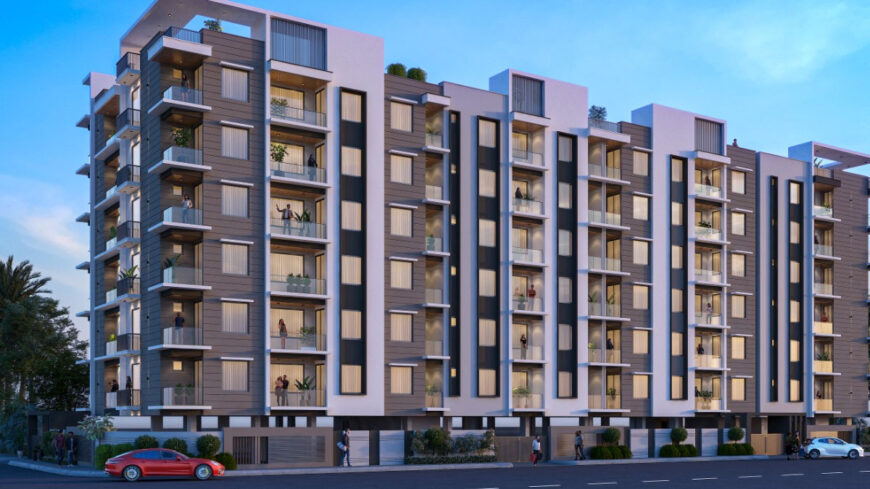
When considering Jaipur from an investment perspective, it’s essential to explore the various real estate sectors available. Investors have the option to choose between residential and commercial properties, with numerous plots currently for sale in Jaipur. Many developers are launching diverse projects, including apartments, floor houses, and independent houses, tailored to meet the evolving demands of buyers. Recent real estate developments prioritize not only location but also amenities, ensuring quality living standards.
The city’s suburbs are expanding rapidly, pointing towards a well-developed metropolis in the near future. With its beautiful landscapes and popular landmarks, Jaipur is poised to become India’s next metropolitan hub. This growth offers a promising landscape for real estate investment and robust business opportunities, attracting investors nationwide.
Jaipur, as one of Northern India’s fastest-growing cities, boasts impressive infrastructure with well-designed roads, scenic parks, and green spaces. The city’s layout is ideal for commercial expansion, with positive trends in institutional and corporate growth. Jaipur is not only seen as a thriving market for real estate but also as a secure, attractive destination for both investors and residents looking to start a new chapter in their lives.
 Uncategorized
The Growth Story of Jaipur’s Property Market
In recent years, Jaipur’s real estate market has experienced consistent growth. The demand for both residential and commercial properties has surged, driven by several key factors:
Rapid Urbanization: As one of India’s fastest urbanizing cities, Jaipur has seen an increasing demand for housing and commercial spaces.
Thriving Economy: Jaipur is a major economic center in Rajasthan, home to sectors like tourism, IT, and manufacturing. This has translated into more job opportunities and higher disposable incomes, driving up real estate demand.
Supportive Government Initiatives: The Rajasthan government has introduced several measures to boost real estate development, including simplifying approval processes and offering tax incentives to developers.
Prime Investment Areas in Jaipur
Several areas in Jaipur are proving to be attractive for real estate investment:
Jagatpura: A well-established area with excellent infrastructure and connectivity, offering a mix of residential and commercial developments.
Tonk Road: Known for its connectivity and proximity to educational institutions and hospitals, making it a sought-after location for both residential and commercial projects.
Mansarovar Extension: A fast-developing region with strong growth potential, home to many affordable housing projects.
Ajmer Road: A premium location, known for its excellent connectivity and infrastructure, featuring numerous luxury residential projects and commercial complexes.
 Uncategorized
Modern Living Room Ideas
 Uncategorized
2025’s Guide to Building an Eco-Friendly Home
More homeowners are choosing sustainable materials like bamboo, cork, reclaimed wood, and recycled steel for their homes. These eco-friendly options reduce energy consumption in production while enhancing the home’s durability and aesthetics. Developers are also focusing on sustainability, incorporating biodegradable and renewable materials with minimal environmental impact.
- Natural and Renewable Materials on the Rise
An increasing number of homeowners are embracing sustainable building materials such as bamboo, cork, reclaimed wood, and recycled steel. These eco-conscious choices not only minimise the energy required for production but also enhance the durability and aesthetic appeal of both the interiors and exteriors of a home. Developers, too, are prioritising sustainability, by thoughtfully integrating biodegradable and renewable materials that leave a minimal environmental impact. - Energy-Optimised Homes
Technology is making homes more comfortable and more energy efficient. Beyond AI-powered automation, innovative technology is transforming energy efficiency in homes. Smart thermostats learn household routines and adjust temperatures automatically to prevent energy waste. Adaptive lighting systems use motion sensors and daylight tracking to optimise brightness, reducing unnecessary electricity use. Smart power strips cut power off idle devices, preventing “phantom energy” drain. Additionally, energy monitoring apps provide real-time insights into consumption, helping homeowners make smarter energy choices. Combined, these innovations make homes more cost-effective, convenient and eco-friendly. - Sustainably Built Home Appliances
The new wave of home appliances isn’t just smart—it’s sustainably built from the inside out. Manufacturers are now prioritising eco-friendly materials, like recycled plastics, stainless steel, and non-toxic coatings, to reduce the environmental impact from production to disposal. Many appliances are also being designed for longer lifespans, with modular parts that make repairs easier and reduce the need for replacements. - Water Efficiency Systems
New water-saving solutions, such as well-designed filtration systems and leak detection technology, are helping homeowners conserve water. Rainwater harvesting and greywater recycling systems are becoming standard in sustainable house designs, reducing dependence on municipal water supplies. - Solar Energy Solutions
Beyond traditional rooftop solar panels, new innovations like solar-integrated roofing tiles and advanced battery storage solutions are making solar energy more practical and efficient. Improved battery storage allows homeowners to store excess solar power for use at night or on cloudy days, reducing reliance on the grid and ensuring a steady energy supply. This not only increases energy independence but also enhances sustainability.